August 19, 2026
Replacing or repairing your home's roof is one of the most significant investments you will make as a property owner. Selecting the right professional is critical to ensuring this investment pays off in terms of structural durability and long-term peace of mind. By focusing on key qualifications and service benchmarks, you can confidently navigate the selection process to find an expert you can trust.
Verifying Licensing and Adequate Insurance
Before signing a contract, you must confirm that the contractor holds the appropriate credentials required by your state and local municipality to perform professional roofing services. A legitimate contractor will gladly provide copies of their active business license and certification documents. Working with an unlicensed individual might save you money upfront, but it leaves you with zero legal recourse if the work is shoddy or violates local building codes.
Beyond a basic business license, the contractor must carry comprehensive insurance coverage. This includes both general liability insurance and workers' compensation insurance. General liability protects your home and property from damage during the construction process. If a heavy bundle of shingles is dropped and cracks your driveway, or if a rogue hammer shatters a window, their liability policy covers the repairs. Workers' compensation is equally critical because it protects you from personal liability if an installer is injured while working on your roof. If a laborer falls and the contractor does not carry workers' compensation, you could be held legally and financially responsible for their medical bills. Always request that the contractor's insurance agency send certificates of insurance directly to you to verify that the policies are active and carry sufficient coverage limits.
Evaluating Local Experience and Reputation
Choosing a contractor with an established footprint in your community is one of the safest decisions you can make. Local companies depend heavily on word-of-mouth referrals, meaning they are highly motivated to provide exceptional roofing services to protect their standing within the community. A local contractor is also deeply familiar with regional weather challenges, such as heavy snow loads, coastal winds, or intense summer heat, and they will recommend the best materials to withstand those specific conditions.
This localized diligence is increasingly important when you consider the sheer scale of the industry today. According to data compiled by Fortune Business Insights, there were more than 96,000 registered roofing contractors across the United States as of late 2024. With so many options available, sorting through the noise requires a keen eye for proven regional longevity. Ask potential contractors for references from homes in your immediate neighborhood that were completed within the last year, as well as projects completed in recent years. Checking online review platforms and local community forums will give you an unbiased look at how the contractor handles disputes, delays, and post-installation issues. A company that has operated successfully in your town for a decade is far more likely to be around to honor their workmanship warranty if a leak develops five years down the road.
Obtaining Written Estimates and Contracts
Never accept a verbal agreement or a vague, one-page estimate scrawled on a notepad. A reputable business will always provide a transparent, itemized proposal that clearly details the cost of materials, labor, permits, and disposal fees involved in delivering their roofing services. A comprehensive written contract is your primary protection against unexpected price hikes, mid-project delays, and misunderstandings about the scope of the work.
A detailed estimate must clearly specify the exact brand, line, and color of shingles or roofing material to be installed, ensuring you get the precise aesthetic and quality level you are paying for. It should also outline the physical removal and proper disposal of the old roofing layers, including the specific cost of dumpsters and cleanup crews to protect your lawn from stray debris. Furthermore, the contract needs to detail how the team will address damaged decking by stating a clear, pre-arranged cost per sheet of plywood if unexpected rot is uncovered during tear-off.
To guarantee the long-term integrity of your roof, the written agreement must outline the installation of critical protective components such as ice and water shields, synthetic underlayment, drip edges, and flashing around chimneys and valleys. Finally, the contract must establish a fair payment schedule tied to specific project milestones, which protects you from having to provide a massive upfront deposit before any crew member sets foot on your property. By securing these details in writing before any physical work starts on your home, you protect your budget and establish clear expectations for both parties.
Assessing Professional Communication and Conduct
The level of professionalism demonstrated during your initial consultation is a strong indicator of how the company manages its roofing services once the project is underway. Pay close attention to how quickly they respond to your initial inquiry, whether they show up on time for the inspection, and how thoroughly they answer your questions. A high-quality contractor will take the time to explain the current condition of your roof, walk you through your material options, and discuss ventilation improvements without employing high-pressure sales tactics.
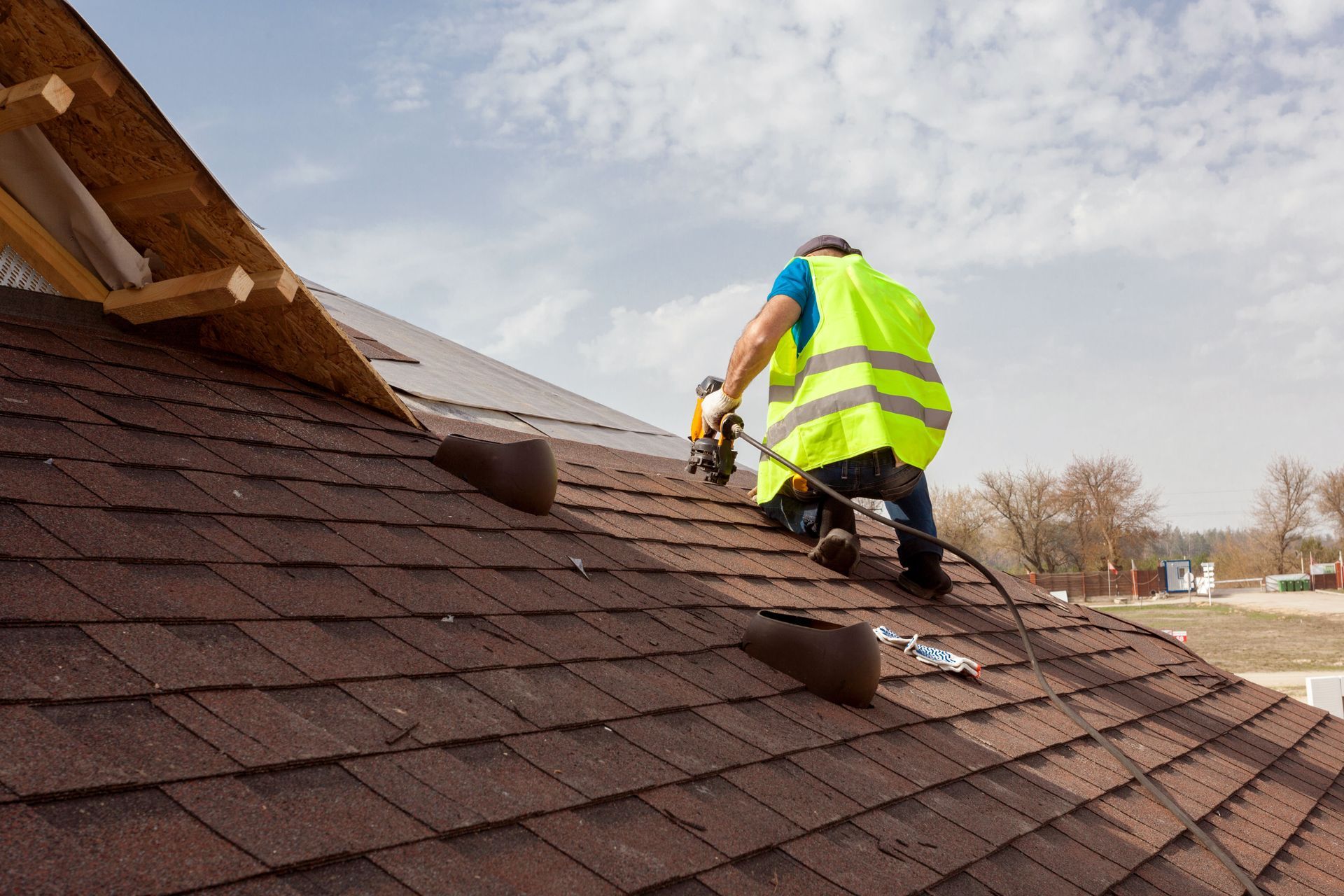
If a contractor is difficult to reach, slow to return emails, or vague about project timelines during the bidding phase, these communication issues will likely multiply once they have your deposit. Furthermore, observe how they conduct their inspection. A professional contractor will actually climb onto your roof (weather permitting) to measure and inspect the wear, and they will often take photos to show you exactly what needs attention. They will also inspect your attic space to check for proper ventilation and look for signs of deck rotting or water intrusion from the inside. This level of thoroughness shows that they care about diagnosing the root cause of your roofing issues rather than just slapping a quick patch over the symptoms.
Checking Manufacturer Certifications and Warranties
Roofing materials are only as good as the hands that install them. Because of this, major manufacturing brands like GAF and CertainTeed offer specialized certification programs for contractors who undergo rigorous training and meet strict quality standards. When a contractor holds a manufacturer certification, it means they are highly trained in the exact installation specifications required by that brand.
These elite designations are not handed out easily; they require ongoing training and a stellar history of safety and quality, ensuring they are authorized to deliver certified roofing services backed by the factory. More importantly, these certifications allow the contractor to offer extended manufacturer warranties that uncertified contractors simply cannot access. Before hiring a contractor, ask about their specific manufacturer designations and inquire about the differences between the basic manufacturer warranty, the contractor's personal workmanship warranty, and any extended system warranties that are available to you.
Demanding Material Transparency and Quality
A roof is a complex system of interlocking components, not just a layer of shingles nailed to wood. To get the maximum lifespan out of your new roof, you must ensure that your contractor is using high-quality components throughout the entire system. Some low-cost contractors try to win bids by using premium shingles but pairing them with cheap, low-grade underlayments, low-quality starter strips, or mismatched ridge vents.
By demanding transparency regarding the specific brands and lines of materials being used, you ensure you are paying for high-quality roofing services that will stand the test of time. A complete, high-quality system should feature synthetic underlayment rather than outdated felt paper, heavy-duty ice and water shields in vulnerable valleys, and durable metal flashing. Proper roof ventilation is also crucial; without balanced intake and exhaust vents, heat and moisture will build up in your attic, baking your shingles from the inside out and dramatically shortening their lifespan. Ask your contractor to detail how they plan to optimize your attic ventilation and ensure they are using a single, cohesive manufacturer's system so that your warranty remains completely valid and uncontested.
Choosing a qualified roofing contractor is the most critical step in protecting your home from the elements and securing your financial investment. By thoroughly verifying credentials, checking local references, and demanding clear written agreements, you can avoid common industry pitfalls and ensure a smooth renovation process. Taking the time to perform this due diligence now will reward you with a durable, professionally installed roof that protects your household for decades to come. For more on what to look for in roofing services and contractors, please contact Genesis Exteriors LLC today.