February 19, 2026
Installing a new asphalt shingle roof is one of the most important improvements homeowners can make to protect their property. A roof serves as the first line of defense against weather, moisture, and structural damage. Because of its affordability, durability, and versatility, asphalt shingles remain one of the most popular choices in residential roofing. Understanding what happens before, during, and after installation helps homeowners feel confident throughout the process and ensures they know how to prepare for the project.
Every residential roofing project involves multiple steps, from material selection and scheduling to cleanup and inspection. When homeowners know what to expect, they can reduce stress, prevent delays, and ensure the installation meets both performance and aesthetic expectations.
How Long Does An Asphalt Shingle Roof Installation Take?
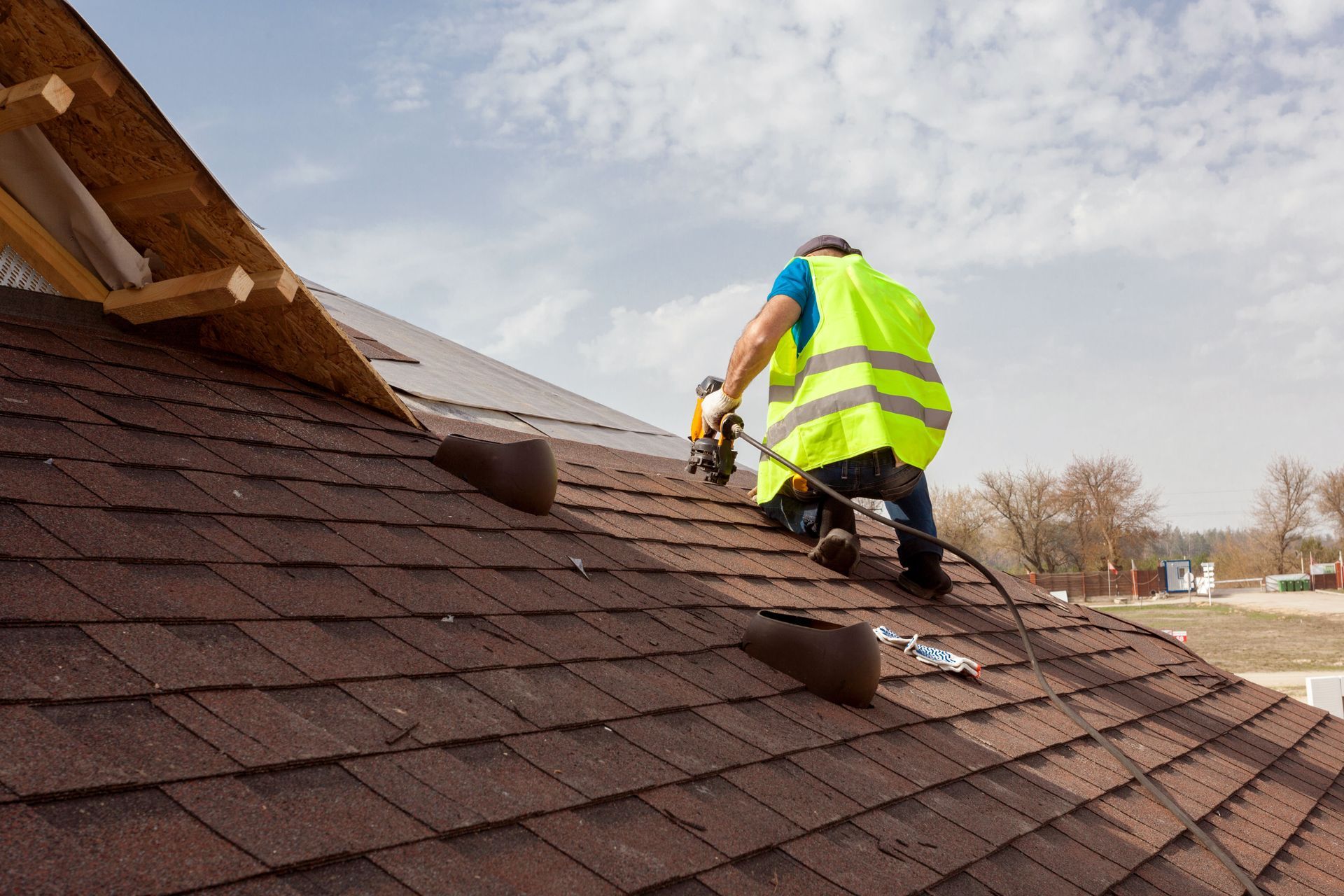
The timeline for asphalt shingle installation varies depending on several factors, but most residential roofing projects are completed within a few days to one week. The size and slope of the roof are among the most significant factors influencing project duration. Larger homes or properties with complex roof designs typically require more time for proper installation.
Weather conditions also play a major role. Rain, snow, or high winds can temporarily halt work because roofing materials require dry, stable surfaces for proper installation. Contractors typically monitor weather forecasts closely to maintain safety and ensure the roofing materials are installed correctly. Mild and dry weather conditions allow roofing crews to work efficiently while maintaining high-quality results.
Another factor affecting project length is the removal of the existing roof. If multiple layers of old shingles need to be removed, this can extend the project timeline. Removing old materials is a crucial step in residential roofing because it allows contractors to inspect the roof deck and identify potential structural concerns before installing new shingles.
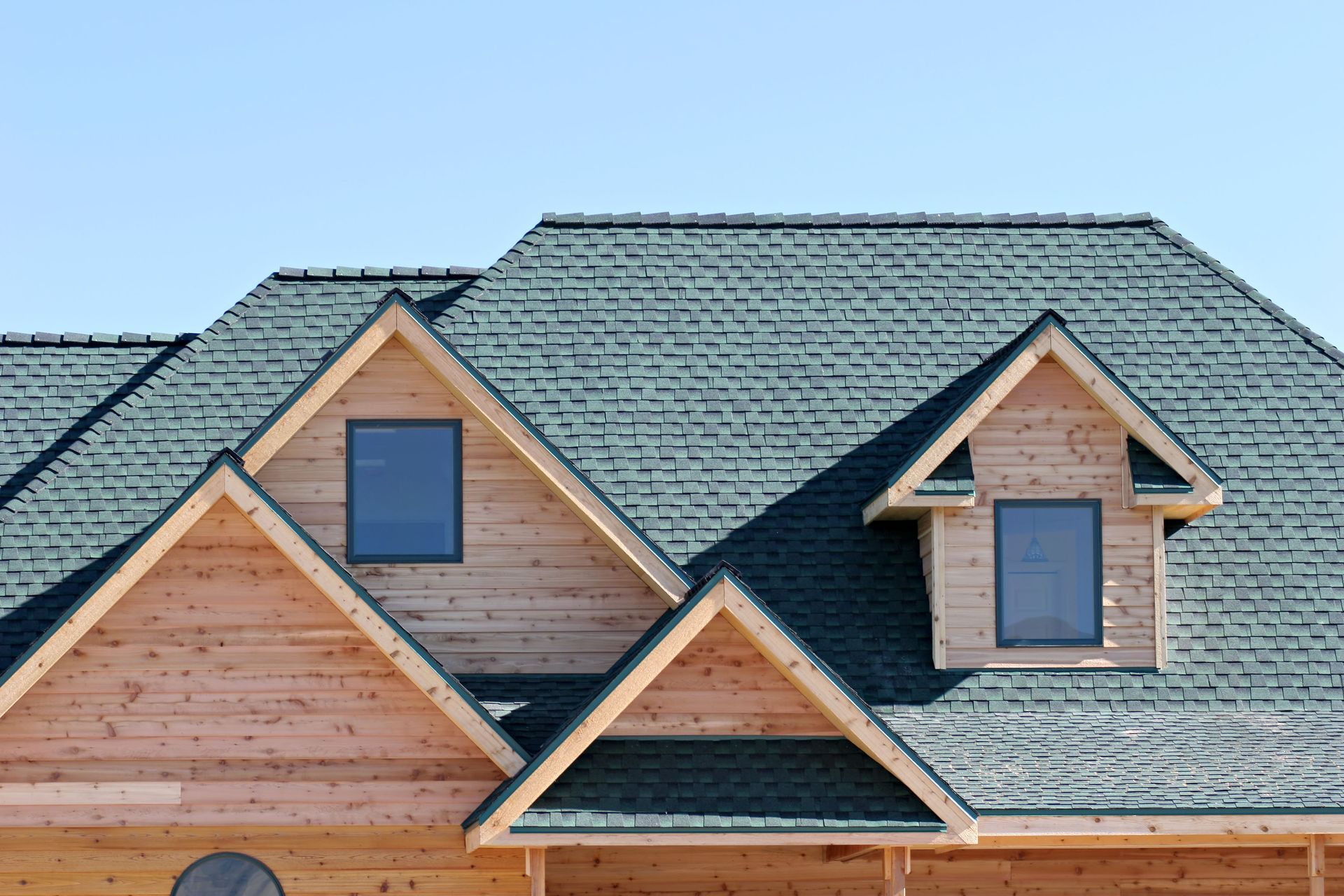
The type of asphalt shingles chosen can also influence the timeline. According to This Old House, three-tab asphalt shingle roofs typically last about 20 years, while architectural asphalt shingle roofs generally provide durability for approximately 30 years. Many homeowners opt for architectural shingles due to their longer lifespan and improved wind resistance, even though they may require slightly more careful installation. Regardless of the type selected, professional residential roofing installation focuses on precision and long-term performance.
What Materials Are Typically Used In Residential Roofing?
Although asphalt shingles are the most visible part of a roofing system, several supporting materials play essential roles in ensuring durability and protection. Residential roofing involves multiple layers working together to create a weather-resistant barrier.
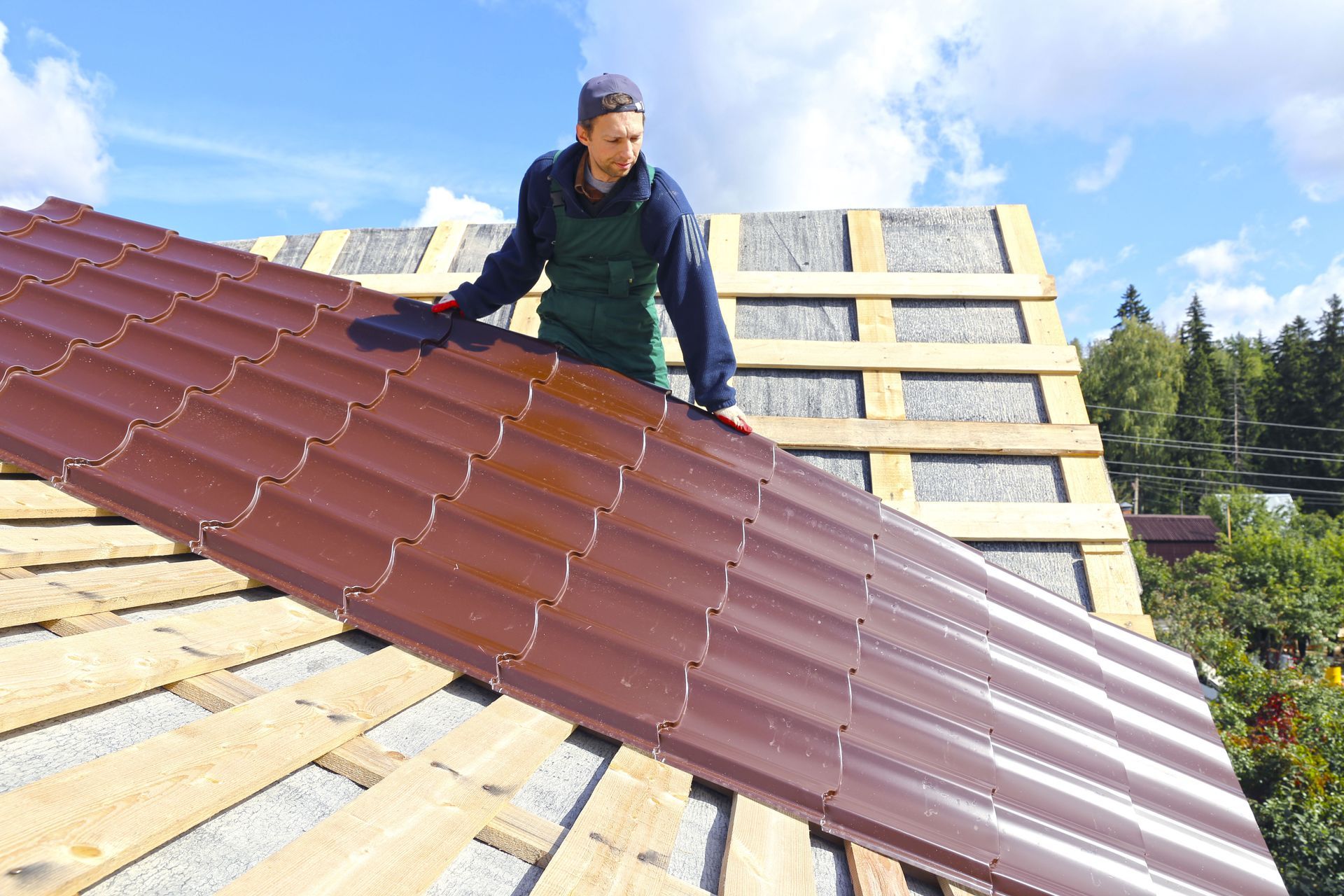
Underlayment is one of the most critical components beneath asphalt shingles. This water-resistant or waterproof layer protects the roof deck from moisture intrusion if shingles become damaged or displaced. Underlayment also provides an additional protective layer during installation, especially if unexpected weather occurs before the shingles are fully installed.
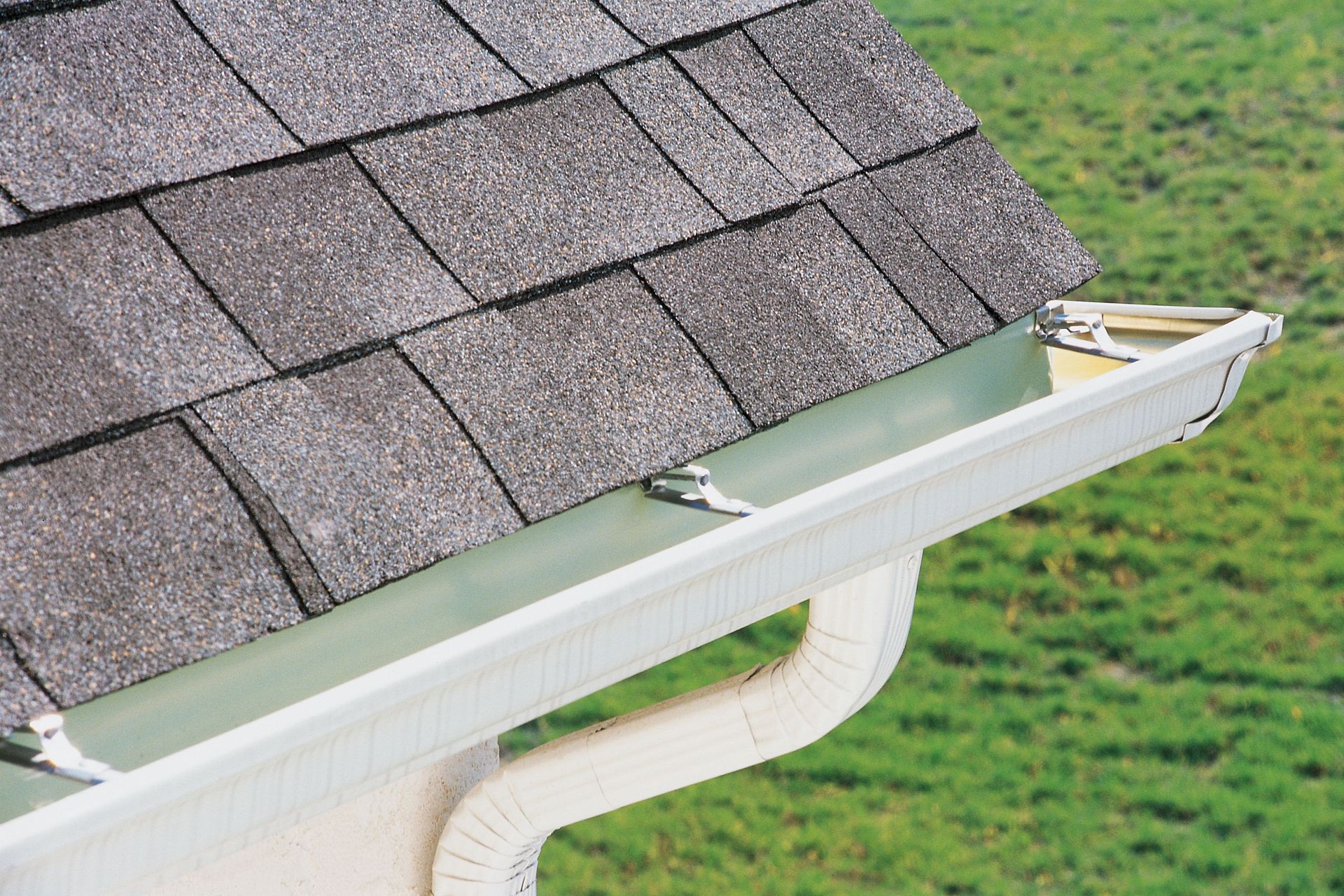
Flashing is another vital element in residential roofing systems. It is typically installed around roof features such as chimneys, vents, skylights, and valleys. Flashing directs water away from vulnerable areas where leaks are more likely to occur. Proper flashing installation is crucial for preventing water damage and maintaining the structural integrity of the roof.
Roofing nails and sealants also contribute to the stability of the entire system. Nails secure shingles to the roof deck, while sealants provide additional protection against wind and water infiltration. Ventilation components, including ridge vents and soffit vents, are also important. Proper ventilation allows airflow through the attic, helping regulate temperature and prevent moisture buildup that can damage roofing materials.
Together, these materials form a complete residential roofing system designed to withstand environmental stress and protect the home for many years.
What Preparation Is Needed Before Installation?
Proper preparation is essential for a successful asphalt shingle installation. Homeowners can take several steps to ensure the residential roofing project proceeds smoothly and safely.
Clearing the area around the home is one of the first preparation tasks. Roofing projects often involve falling debris, old shingles, and equipment movement. Removing outdoor furniture, decorations, and vehicles from the work zone helps prevent accidental damage and allows contractors to work more efficiently. Protecting landscaping, gardens, and delicate plants is also recommended. Contractors often use tarps or protective coverings, but homeowners may choose to move valuable items as an extra precaution.
Inside the home, vibrations from roofing work can cause items to shift or fall. Homeowners should secure fragile decorations, wall hangings, and attic storage before installation begins. This small step can prevent unnecessary damage during residential roofing activities.
Providing easy access to the roof is another important preparation step. Contractors may need to place ladders, materials, and dumpsters near the home. Ensuring clear pathways helps roofing crews complete their work safely and efficiently. Homeowners should also notify neighbors about the project since roofing work can generate noise throughout the day.
Communication with the contractor is equally important during preparation. Reviewing project timelines, material choices, and safety precautions allows homeowners to understand the process fully. Clear communication ensures expectations are aligned and helps prevent misunderstandings during residential roofing installation.
What Are The Costs Associated With Asphalt Shingle Roof Installation?
The cost of installing an asphalt shingle roof varies based on several factors, making each residential roofing project unique. Understanding these cost elements helps homeowners plan their budgets and avoid unexpected expenses.
Material quality is one of the primary factors affecting price. Basic three-tab shingles are typically more affordable, while architectural shingles and premium designs may cost more due to their enhanced durability and appearance. Homeowners often weigh the initial cost against the expected lifespan and long-term value when selecting materials for residential roofing.
Roof complexity also influences installation costs. Homes with steep slopes, multiple angles, or intricate architectural features require additional labor and specialized equipment. Complex designs increase the time and effort needed for safe and accurate installation, which can impact overall pricing.
Labor costs represent another significant portion of residential roofing expenses. Skilled roofing professionals provide expertise, safety training, and proper installation techniques. Hiring experienced contractors helps ensure the roof meets building codes and manufacturer guidelines, reducing the risk of future repairs.
Additional costs may include removing existing roofing materials, repairing damaged roof decking, and upgrading ventilation systems. While these expenses can increase the initial investment, they contribute to the long-term performance and durability of the roof. Many homeowners find that investing in high-quality residential roofing materials and installation services reduces maintenance costs over time.
How To Choose The Right Contractor For Your Roofing Project?
Selecting a qualified contractor is one of the most important decisions homeowners make when planning a residential roofing installation. A reputable contractor ensures quality workmanship, reliable materials, and professional project management.
Checking credentials is an essential first step. Homeowners should verify that contractors are licensed, insured, and experienced in residential roofing. Proper licensing demonstrates compliance with local regulations, while insurance protects homeowners from liability in case of accidents or property damage.
Reading reviews and requesting references can provide valuable insight into a contractor’s reliability and customer satisfaction. Previous clients can offer firsthand accounts of their experiences, including project timelines, communication, and overall workmanship quality. Positive reviews often indicate consistent performance in residential roofing services.
Obtaining a detailed written estimate is another critical step. A comprehensive estimate should outline material costs, labor fees, project timelines, and warranty information. Transparent pricing helps homeowners compare contractors and ensures there are no hidden charges during the installation process.
Homeowners should also evaluate communication and professionalism when selecting a contractor. Clear and prompt responses to questions demonstrate reliability and commitment to customer service. Contractors who explain residential roofing procedures thoroughly help homeowners feel confident about their investment.
Understanding the asphalt shingle installation process allows homeowners to prepare effectively and make confident decisions. From selecting materials to choosing a qualified contractor, each step plays a crucial role in the success of
residential roofing projects. With proper planning, communication, and professional installation, homeowners can enjoy a durable, attractive roof that protects their property for decades. If you need a roof, reach out to the professionals at Genesis Exteriors LLC today!