April 21, 2026
Your roof is the silent guardian of your home, enduring the scorching heat of summer and the relentless battering of winter storms without a word of complaint. However, every structure has its limits, and the barrier between your family and the elements will eventually succumb to the passage of time. Recognizing the warning signs before a minor issue transforms into a catastrophic failure is essential for any responsible homeowner. While many people wait until they see water dripping from the ceiling to take action, the reality of property maintenance is often more subtle. By staying vigilant and partnering with a trusted professional, you can ensure that your shelter remains secure for decades to come.
Water damage is often the primary driver for major home renovations. Because the roof is the first line of defense against the environment, it bears the brunt of every weather event. When the materials begin to degrade, the secondary layers of your home — such as the insulation, the wooden framing, and even the electrical systems — become vulnerable to damage.
1. Presence of Chronic Water Intrusion
The most immediate and obvious sign that your overhead protection has failed is the presence of moisture where it should not be. According to RubyHome, 33% of homeowners replace their roofs due to leaks. This statistic highlights a fundamental truth about home maintenance: once water finds a path through your shingles, the integrity of the entire structure is at risk. A small damp spot on your drywall may seem like a minor annoyance, but it often indicates a much larger problem hidden within the attic or crawlspace. When you notice persistent dampness, it is time to call a local roofing contractor to assess the extent of the damage.
Delaying this inspection can lead to the growth of hazardous mold or the weakening of the wooden rafters that support your ceiling. Water does not travel in a straight line; it often enters at one point and travels along beams before dripping onto your floor. This makes identifying the source of a leak incredibly difficult for an untrained eye.
2. Loss of Protective Granules
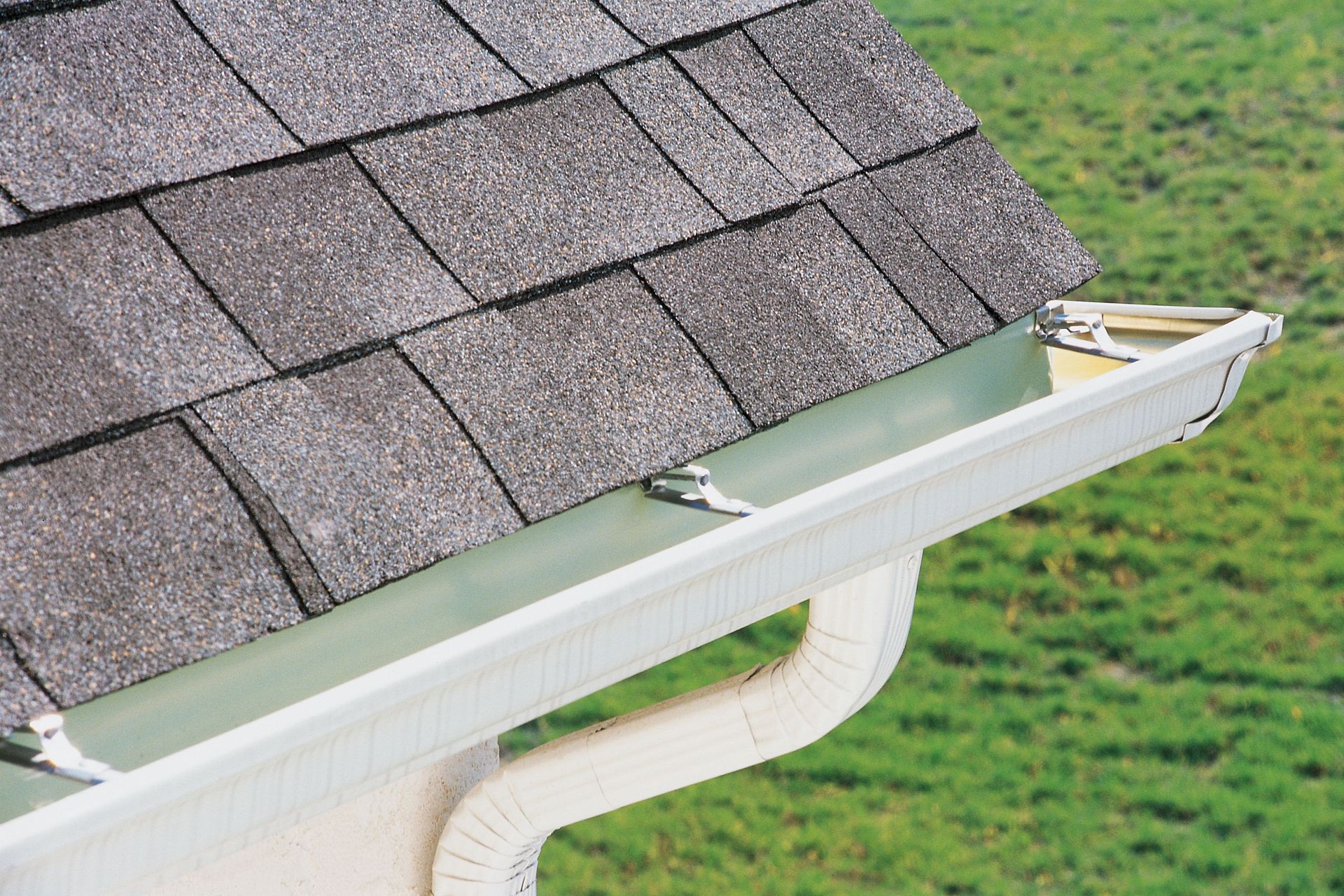
If you spend time cleaning your gutters, you might notice an accumulation of gritty material that resembles coarse sand. These granules are not merely decorative; they serve as a vital shield against ultraviolet radiation. As shingles age, they lose their ability to hold onto these protective particles. Without this layer, the asphalt underneath becomes brittle and prone to cracking under the heat of the sun. This shedding process is a natural part of the aging cycle, but excessive buildup in your downspouts suggests that the end of the functional lifespan is near.
Consulting a local roofing contractor during your seasonal gutter cleaning can help you determine if the amount of loss is normal or if your shingles are nearing total failure. When the granules are gone, the shingles begin to bake and shrink, which leads to further structural issues. You might also notice dark spots on the roof where the granules have completely vanished, leaving the bare asphalt exposed to the elements.
3. Appearance of Curled Shingle Edges
The silhouette of a healthy roof should be flat and uniform. When you stand back and look at your house, keep an eye out for shingles that appear to be turning upward or buckling in the middle. This physical distortion often occurs due to improper ventilation in the attic, which allows heat and moisture to bake the underside of the roofing material. Once shingles begin to curl, they lose their ability to shed water effectively and become highly susceptible to being caught by the wind.
A gust that would normally pass over a flat roof can easily catch a curled edge and rip the material away entirely. An experienced local roofing contractor can evaluate whether this curling is a localized issue or a sign that the entire surface has reached its expiration date. Curling is often the precursor to widespread shingle failure. If the edges are brittle enough to snap when touched, the chemical oils that keep the shingles flexible have evaporated, leaving the roof defenseless against the next major storm.
4. Absence of Vital Components
Severe weather is perhaps the greatest enemy of a residential exterior. After a significant windstorm or a heavy bout of hail, it is common to find pieces of shingles or metal flashing scattered across the lawn. While a single missing piece can sometimes be repaired, a pattern of missing components suggests that the adhesive sealants holding the roof together have failed.
Each gap represents an invitation for rain to enter the sensitive wooden decking below. By inviting a local roofing contractor to perform a post-storm assessment, you can identify these gaps before the next round of weather causes more extensive internal damage. It is also important to check the flashing around chimneys and vents. If these metal components are rusted, loose, or missing entirely, water will find its way into the smallest crevices, causing rot that stays hidden until the damage is severe.
5. Growth of Extensive Moss
While a light dusting of moss might give a cottage a charming, rustic appearance, it is actually a red flag for the health of the structure. Moss, algae, and lichen thrive in damp, shaded areas, and their roots can penetrate deep into the roofing material. These organisms act like sponges, holding moisture against the shingles for extended periods.
Cleaning the moss can sometimes help, but if the growth has been present for a long time, the damage to the underlying fibers may be irreversible. A knowledgeable local roofing contractor will be able to tell you if the biological growth has compromised the shingles to the point where cleaning is no longer a viable option. Moss also tends to grow in the gaps between shingles, which can force them apart and create direct paths for water to reach the roof deck, accelerating the decay of the entire system.
6. Completion of Product Lifespan
Sometimes, the reason for a replacement has nothing to do with visible damage and everything to do with the calendar. Most traditional asphalt surfaces are designed to last for a specific duration. If you have lived in your home for several decades and have never updated the exterior, you are likely living on borrowed time.
Proactive replacement is often more cost-effective than waiting for a major failure that ruins your insulation and interior finishes. Discussing the age of your home with a local roofing contractor can provide clarity on how much life is left in your current system. Knowing the history of your home’s exterior allows you to plan for the expense of a new roof rather than being forced into a high-cost emergency situation during a rainy season.
Maintaining the uppermost layer of your home is an investment in your peace of mind and your financial security. While the prospect of a full replacement can feel daunting, it is far less stressful than dealing with a collapsed ceiling or an emergency structural repair in the middle of a storm. Regular inspections and a keen eye for detail allow you to manage the health of your property with confidence. When you see the signs of wear, whether it is through curling edges or the presence of moss, taking swift action is the best way to protect your sanctuary. Relying on the expertise of a local roofing contractor ensures that the work is done correctly and that your new roof will stand strong against whatever the sky decides to drop next. If you are ready to secure your home with a durable and professional installation, contact the experts at Genesis Exteriors LLC today to schedule your comprehensive inspection.